Your Restorative Oasis in the Desert
Inspired by the restorative power of an oasis, this practice offers a place of sanctuary amid life's harsher landscapes. Here, healing isn't about being told who you should become. It's about reconnecting with your own strengths, making sense of your experiences, and building the confidence to continue your journey long after therapy has ended.
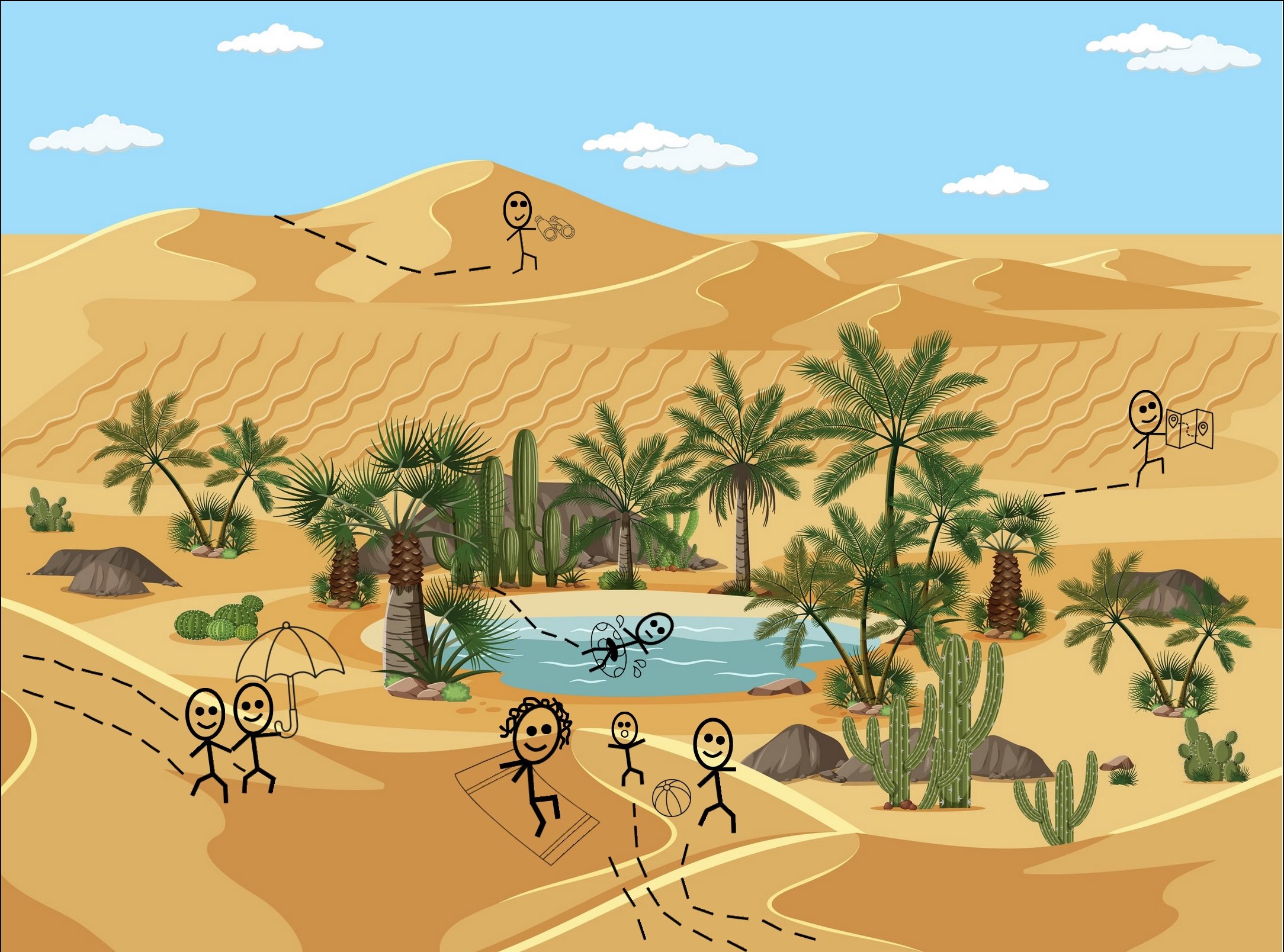
Oasis: An area in a desert which have freshwater and where life can grow. They provide rest, shade, and resources for people on journeys through the desert. Some people have considered oases to be sacred places due to providing refuge, relief, and pleasant contrast.
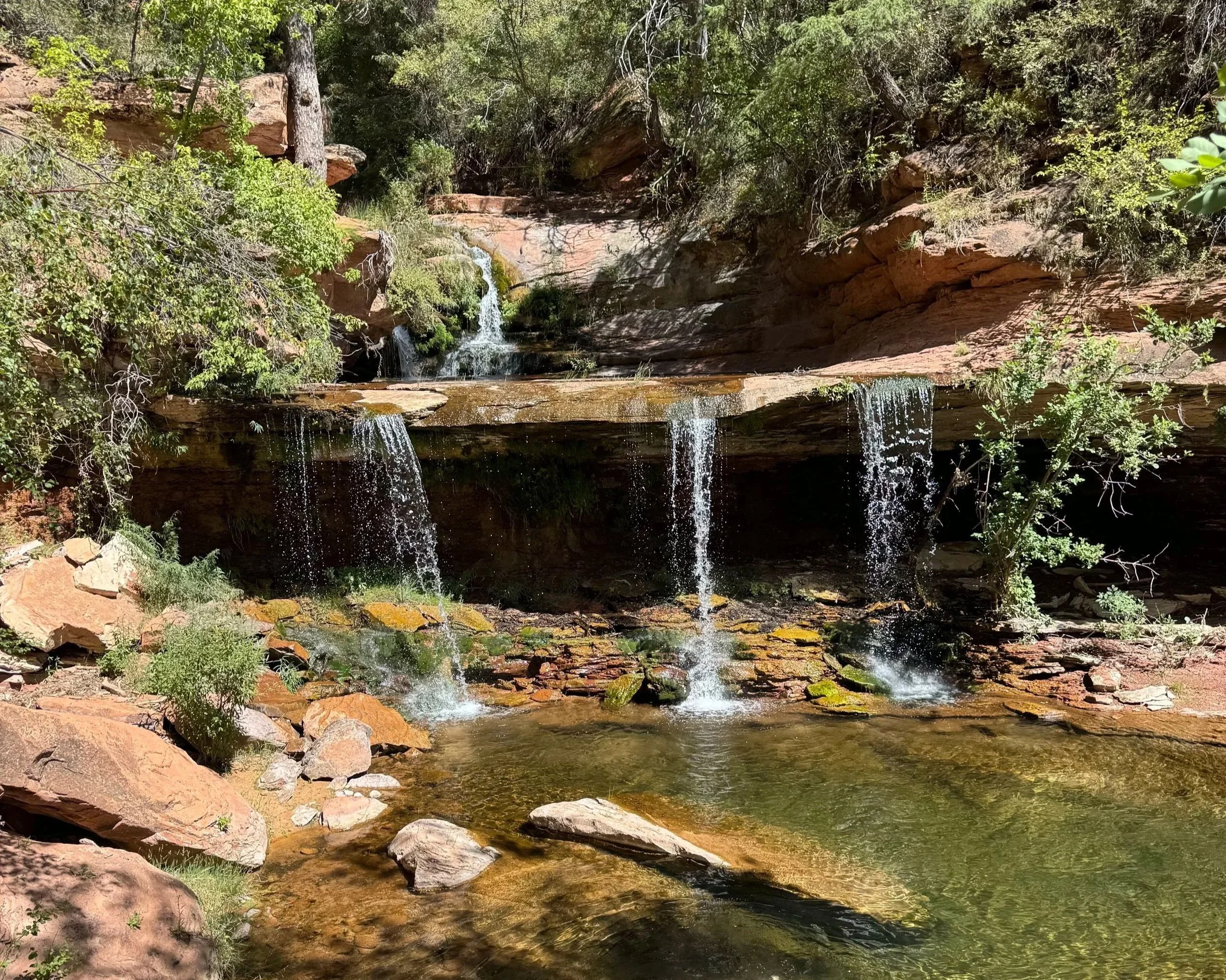
Rooted in Southern Utah
Southern Utah is a place defined by contrast. Towering cliffs stand beside hidden springs. Harsh landscapes reveal unexpected beauty. Life finds a way to grow in places many would overlook.
That same idea influences Desert Oasis Therapy. People are often far more resilient than they realize, and even difficult seasons can become places of growth when given the right support, understanding and care.
Therapeutic Approaches
Therapy is not just about talking through problems, it’s also about understanding why we think, feel and respond the way we do. I believe education can be empowering when it helps people better understand themselves and apply new insights to everyday life. Here are a selection of some of our evidence-based approaches:
Narrative Therapy Explore the stories that have shaped your identity and begin rewriting unhelpful narratives with greater clarity and self-compassion.
Solution-Focused Therapy Build on your existing strengths and identify practical steps towards the future you want to create.
AF-EMDR Process both recent and longstanding trauma using attachment-focused eye movement desensitisation and reprocessing techniques.
Internal Family Systems (IFS) Develop greater understanding of the different parts of yourself, fostering self-leadership, healing and harmony.
Gottman Method Strengthen relationships through proven strategies that improve communication, foster trust and create healthier patterns of connection.
Psychoeducation Gain a deeper understanding of how the brain and nervous system work through topics such as the Triune brain, Vagus nerve, mindfulness, the window of tolerance, emotional regulation and attachment.
Practical Tools Apply what you've learned through visual exercises, whiteboard mapping, grounding techniques, breathing practices, goal setting, safety planning and communication strategies designed for everyday life.